Cruising After 70: Slower, Smarter, Still Worth It begins with a confession. Cruising didn’t quietly fade after I turned 70; it expanded. I’ve taken roughly 25 cruises since then, favoring long itineraries, repositioning routes, and sea days that stretch like exhaled breaths.

Long cruises suit this stage of life. Sea days create space for rest, reflection, conversation, and aimless wandering. I no longer chase every activity like a competitive sport.
If you’re reading this because you’re hesitating — wondering if cruising “at this age” still makes sense — let me save you some suspense: yes, it does. But it’s different in ways no glossy brochure ever mentions.
Here’s what actually changes after 70 — and why cruising remains one of the most enjoyable ways I know to travel.
Why Long Cruises Work Better After 70

Short cruises feel rushed now. Longer sailings remove the pressure to “make it count.” Days unfold naturally instead of demanding attention.
Sea days matter more than ports. They provide recovery time, social moments, guilt-free naps, and coffee without alarms. When time expands, enjoyment will follow.
Longer cruises also remove the constant cycle of packing and unpacking. Fewer embarkation days mean fewer lines, fewer luggage transfers, and fewer chances for small stresses to pile up. That alone makes extended itineraries feel kinder to aging joints and patience alike.
Repositioning cruises deserve special mention. They attract travelers who value conversation, reading time, and unhurried routines. The atmosphere tends to feel calmer, more curious, and far less performative.
The Travel Insurance Surprise No One Warned Me About
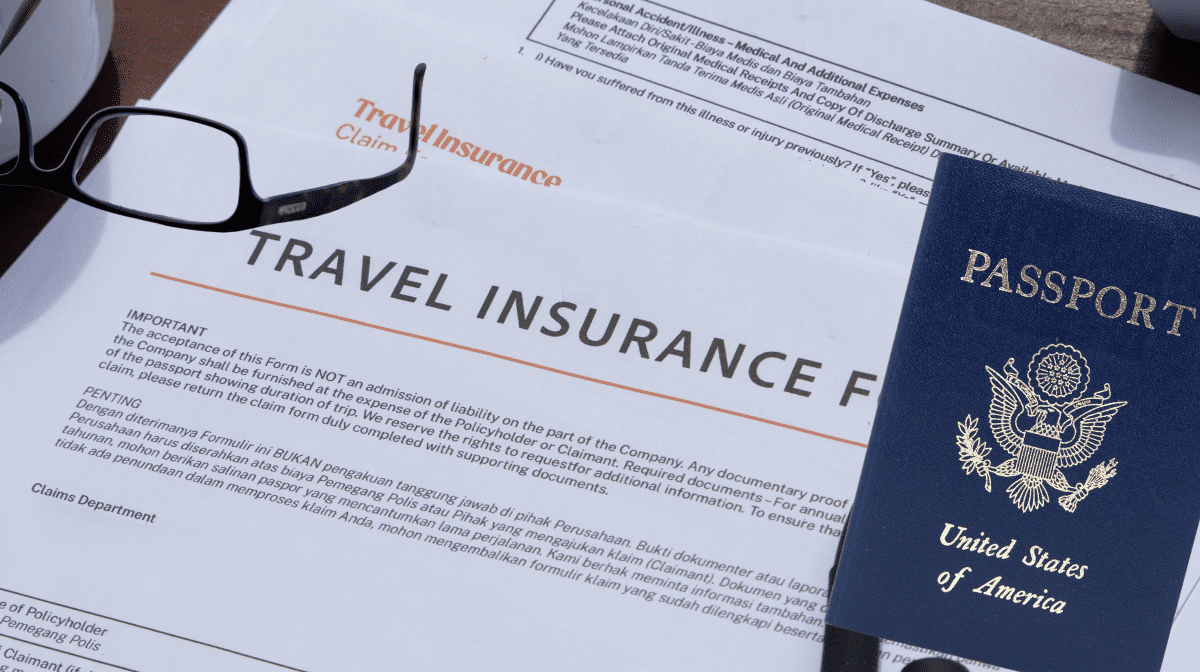
Turning 70 didn’t change my health first. Insurance did.
My long-standing annual policy quietly reduced coverage once I crossed the age threshold. No announcement arrived. The fine print did the talking.
I still carry that insurance, but I trust it less. I also buy the ship’s vacation protection and keep excellent records. Experience taught me that confidence comes from preparation, not assumptions.
Age-based reductions often hide behind phrases like “adjusted benefits” or “revised limits.” Those words sound harmless until you compare coverage line by line. Anyone cruising after 70 needs to read policies as if they were contracts—because they are.
I don’t say this to alarm anyone. I say it because informed travelers worry less. Knowing exactly what your insurance will and won’t cover frees your mind for better things, like deciding between a cappuccino or a flat white.
Sidebar Checklist: Travel Insurance Reality Check (70+)
✔ Read age-based benefit reductions
✔ Confirm medical evacuation limits
✔ Carry policy numbers digitally
✔ Buy ship protection as backup
✔ Expect to pay upfront, then file
Packing After 70: Less Stuff, Better Choices

Packing becomes more difficult even when bags remain the same weight. Luggage doesn’t gain pounds, but arms notice anyway.
I now pack lighter, repeat outfits as needed, and stop planning for hypothetical events. Nobody remembers what you wore. They remember how you treated them.
Shoes deserve special scrutiny. One comfortable pair beats three optimistic ones. Formal nights no longer justify footwear that hurts by dessert. I learned that lesson the hard way.
Onboard laundry services eliminate the need to pack for hypothetical scenarios. Washing a few items mid-cruise costs far less than hauling an overstuffed suitcase through airports and ports.
Comfort outperforms creativity every time.
Slowing Down Changed Everything

I no longer rush off the ship. I don’t sprint to shows. Departure times stopped haunting me.
We move more slowly now. That pace feels earned.
I used to feel a strange pressure to justify the cost of a cruise by staying busy. That impulse disappeared after 70. Value now comes from enjoyment, not exhaustion.
Moments matter more than schedules. Watching the ocean change color at dusk beats rushing to a show you won’t remember.
Cruising finally delivers what it always promised: actual leisure.
Mobility at Sea: The Honest Version
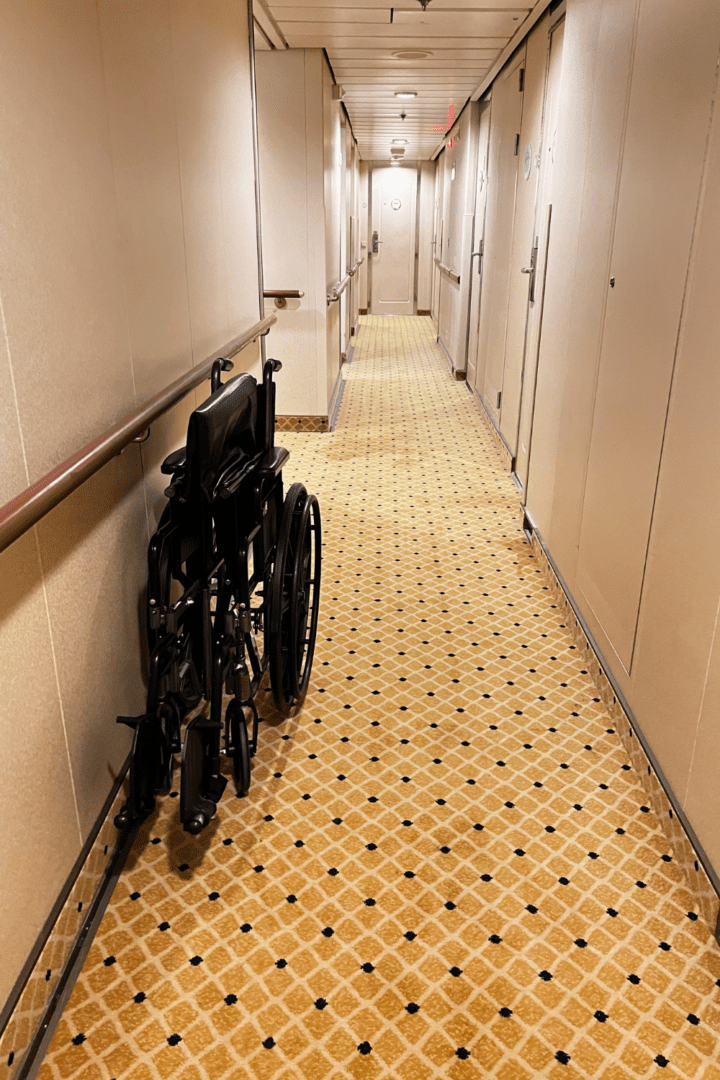
Mobility deserves truth.
I cruised three times using a wheelchair due to illness. My husband pushed me everywhere with patience and humor. Those cruises worked, but they required stamina and planning.
Elevators pose challenges for anyone using a wheelchair or scooter. Even a cane complicates things. We’ve waited long stretches while others raced, cut lines, and pretended not to see us.
Cruise ships technically meet accessibility standards, but lived experience tells a more nuanced story. Peak elevator times coincide with dinner, shows, and port returns. Planning around those surges reduces frustration.
Patience becomes a skill rather than a virtue. I learned to build extra time into everything and to let small indignities roll off me. Energy matters more than winning minor battles.
Kindness appears often. Elbows appear too.
How We Handle Ports Without Wearing Ourselves Out

We explore ports independently whenever possible. Walking apps guide us through nearby areas. GPSmyCity is my favorite self-guided walking tour map. Taxis extend our range when curiosity beats endurance.
Ship excursions rarely appeal. Long bus rides followed by short visits drain the joy. Special places like Normandy justify the trade-off because logistics matter.
Independent exploration allows us to stop whenever we want. A shaded bench, a quiet café, or an unexpected view often becomes the highlight of the day.
Returning early doesn’t mean missing out. Ships feel almost magical during these hours. Pools empty. Lounges soften. Crew members suddenly have time to chat.
Medical Care at Sea: Better Than Expected

I travel with medication lists, extra supplies, digital medical records, and a pacemaker ID card. Preparation travels well.
I’ve needed onboard medical care several times. Ship doctors handled everything efficiently, including tests, prescriptions, and communication with my physician at home.
Carrying digital records speeds everything up. Doctors appreciate clarity, and clarity leads to better care. Preparation shortens visits and reduces stress for everyone involved.
Each medical encounter reinforced my trust in cruising as a safe form of travel. Problems arose, solutions followed, and life on board resumed without incident. Insurance reimbursed nearly all costs after the upfront payment.
Cruising has never made me feel medically unsafe.
Dining, Friends, and the Social Side of Cruising

We still choose early fixed dining. Large shared tables create friendships faster than small ones.
Meeting people feels just as easy now as ever. Age doesn’t close doors. Stories open them.
Shared tables create a rhythm of familiarity. Faces become known. Conversations deepen. By the final evening, goodbyes feel sincere.
Crew members often provide the most memorable exchanges. Their stories stretch across oceans and cultures, reminding me why travel still matters at every age.
One regret remains. I wish I’d known sooner how many fascinating lives pass across a cruise table.
Clothes, Theme Nights, and One Firm Opinion

Theme nights do not matter. Wear what feels good. Skip the costume stress. Comfort wins.
Confidence reads better than costumes. Nobody remembers who dressed best. Everyone remembers who laughed easily.
This cruise belongs to you, not the schedule.
Is Cruising After 70 Limiting or Liberating?
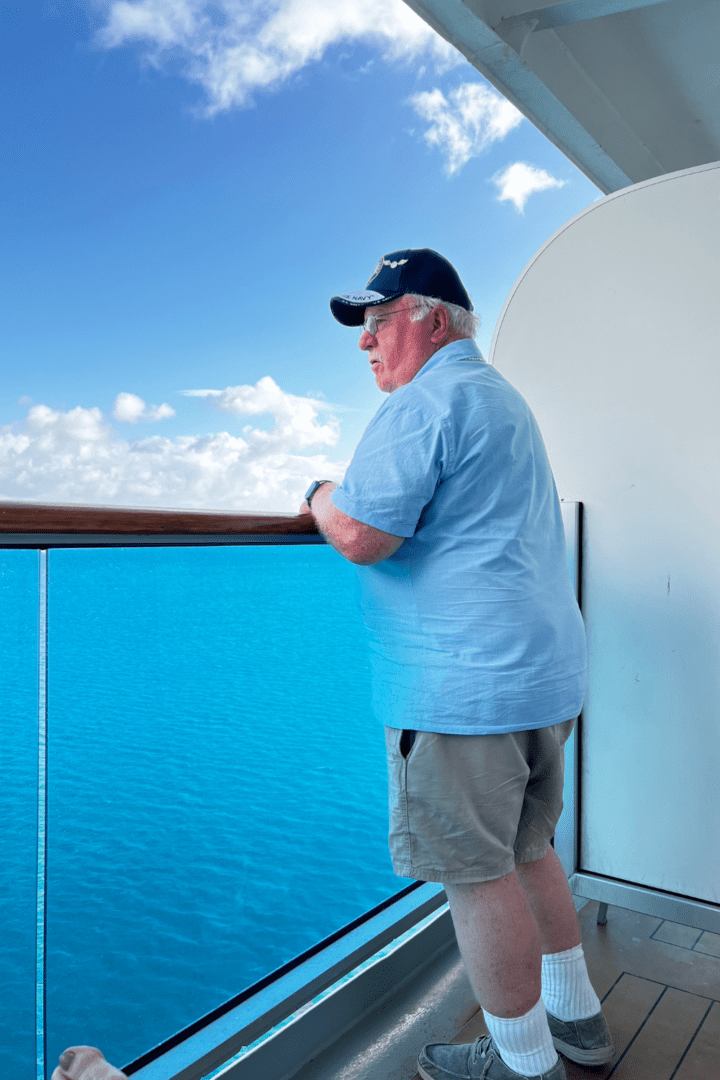
Cruising after 70 feels fun, not fragile. Some boundaries exist, but the rewards outweigh the effort. Cruises feel easier than land travel because decisions disappear. Lodging, meals, and entertainment unfold without planning fatigue.
Cruising simplifies life in ways I didn’t anticipate. Fewer choices mean less mental clutter. That simplicity feels luxurious.
Limitations exist, but they sharpen appreciation. I notice more, savor longer, and regret less.
The only real downside involves time limits in ports. I accept that trade gladly.
What I’d Tell Any Hesitant 70-Plus Cruiser

Age doesn’t cancel curiosity. It refines it. Cruising after 70 isn’t about pretending nothing changed. It’s about choosing joy anyway.
Adjust expectations. Pack lighter. Slow down. Go anyway.
Adventure doesn’t expire at 70. It simply stops shouting.